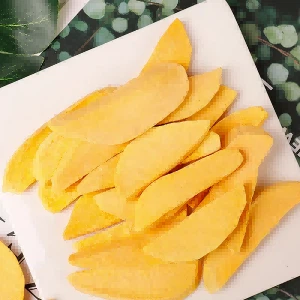
What Is Dehydrated Fruit


Dehydrated fruit or dried fruit, as it is also commonly known, is natural fruit such as that of the supermarket, but after undergoing a process of intense dehydration, it reduces its water content to a minimum. The main advantage of this process is that the fruit still retains its properties, vitamins and health benefits as if it were fresh fruit. This technique is not new, it is very old, people used this technique to increase the duration of food. The lack of money and geographical mobility increased people's ingenuity to preserve food for a longer time in optimal conditions. With the elimination of water was achieved on the one hand reducing the weight of the fruit up to 20% of the original and on the other hand could stop the growth of bacteria that caused the deterioration of the fruit, bacteria can not survive in a dry environment. The objective of the dehydration process is to preserve the colour of the fruit. This process is carried out through substances such as vitamin C, sulphur or sulphite.


Advantages of Dehydrated Fruit

Convenience
Unlike fresh produce, dehydrated fruit don’t require any cleaning, chopping, or lengthy preparation. Our dried products are safe, tasty, and ready to use right out of the package, offering you ease-of-use and peace of mind.


Longer Shelf Life
There’s nothing more disappointing than watching fresh produce spoil. Dried products, on the other hand, have a much longer shelf life (when stored correctly). A longer shelf life for your ingredients means nothing goes to waste, saving you money.


Versatility
Dehydrated fruit can be used in a wide range of applications such as soups, sauces, and marinades, effortlessly adding flavor, color, and nutrition. They can also be used as natural food dyes! For example, we used beetroot powder in this chickpea burger recipe to give the patties a pink (meat-like) color.


Nutritional Value
With vitamins, minerals, and antioxidant properties, dehydrated fruit and vegetable products provide a concentrated source of nutritional value. This makes them a convenient choice for dietary supplement companies and who want to create healthier products.


Consistent Flavor
Our dried products are processed nearly immediately after harvesting, preserving their flavor at peak freshness. This creates less variability between batches than their fresh counterpart, giving you flavor you can count on.


Easy To Store
One of the main benefits of dehydrated fruit is that they take up significantly less space and don’t require refrigerator or freezer space.


First 12 Last 1/2
Why Choose Us

Our Factory
The intelligent production base covers an area of 20, 000 square meters and is equipped with a 100, 000-grade purification workshop, a well-equipped central laboratory and a multi-functional exhibition hall, focusing on the production and research of dehydrated fruits and vegetables, professional processing equipment, aerospace food technology, freshness locking of raw materials in -18℃ freezer, and 0℃-15℃ fresh storage standard for storage, standardized food production line, intelligent high level cargo shelves, from raw materials to finished products the whole process is guaranteed.


Production Equipment
The company has many automatic production and packaging equipments such as VF dehydration equipment、freeze dryer、automatic stand-up pouch packaging machine、automatic vertical roll film packaging machine、automatic can sealing and labeling machine, etc.


Production Market
Miao Shu Shu fruit and vegetable crisp after years of development, the status in the hearts of consumers gradually increased, and it has a very good reputation in the market. It is a brand with extraordinary potential in the casual food industry in recent years, selling well in Japan、Korea and Southeast Asia, etc.


Our Service
The professional business manager will follow up the whole process,summarize and share the marketing、management、operation、product expertise、company introduction、sales skills and other issues to the customer, full service support from order placement to after-sales. Source manufacturers, stable supply of goods and highly efficient delivery. Cooperation will provide regional protection and channel protection to ensure that the benefits and the only for loyalty merchants. The company has contracted with many large logistics groups to ensure the speed of delivery and high quality after-sales service.


Best Fruits to make Dehydrated Fruit
 
Bananas

Make cute dried banana coins for a healthy snack kids love. Peel bananas, slice them into ⅛ to ¼ inch thick disks and soak them in citrus water for 10 minutes to avoid browning. Dehydrate according to the manufacturer's instructions, at 135°F for 6-10 hours, or in the oven at 200°F for 5-7 hours.

Apples

Dried apples are an old-school treat and dehydrating apples couldn't be easier. Peel and core apples, if you like, slice fruit into rounds ¼ to ⅜ inch thick, and soak in citrus water for 10 minutes, to avoid browning. Dehydrate according to the manufacturer's instructions, at 135°F for 7-15 hours, or in the oven at 200°F for 6-8 hours.

Strawberries

Sweet dried strawberries go great with granola. Hull strawberries, and slice ¼ to ⅜ inch thick, or cut in half if they're really little. Dehydrate according to the manufacturer's instructions, at 135°F for 7-15 hours, or in the oven at 200°F for 5-7 hours.

Mangoes

Mango strips taste like sunshine. Peel the mango, cut the flesh away from the flat core, and slice ¼ inch thick. Dehydrate according to the manufacturer's instructions, at 135°F for 7-15 hours, or in the oven at 200°F for 6-8 hours.

Pineapple

Dried pineapple wins the pretty prize. Cut off the top and bottom, trim away the tough exterior, and slice ¼ to ½ inch thick, removing the core. Dehydrate according to the manufacturer's instructions, at 135°F for 10-18 hours, or in the oven at 200°F for 8-10 hours.


脱水黄桃片


Does Dehydrated Fruit Fatten?

A popular idea is that dehydrated foods, especially fruit, have been involved in controversy over their calorie content. So at this point there is no alternative but to answer the famous question: does dehydrated fruit fatten up? Let's go.


Although it is true that dried fruit has a high caloric value and presents a large percentage of simple carbohydrates (sugars) the high concentration of nutrients make dehydrated fruits an ideal food for our health because dehydrated fruits have important sources of vitamins and minerals such as: Potassium, calcium, iron and provitamin A (beta-carotene) are also a great source of fiber that makes dehydrated fruit one of the best foods to improve our intestinal transit. In fact, there are many people who recommend eating dehydrated fruits in the diet because dehydrated foods help you lose weight.


For people to understand, half a cup of dried fruit equals one cup of fresh fruit, because they do not have the same nutritional values, the dehydration process causes a concentration of nutrients and increased calories in smaller foods.


So dehydrated fruit gets fat or not? As the answer depends on everything in life, if we eat a varied diet and rich in healthy nutrients, we exercise regularly and its consumption is moderate, the reality is that it is one of the best foods that a person can consume. On the other hand, if we eat in a disorderly way, we have a sedentary lifestyle and we eat a lot of dehydrated fruit, we will gain weight, but this would happen with rice, bread, milk and 90% of the food. It fattens lifestyle, not food.


How to Dry Dehydrated Fruit
 

Step 1 — select superior produce

Good dried fruit starts with good produce. Select fresh, fully-ripened fruits for the best color, flavor, texture, and nutritional value once dried. Drying will not improve your food quality if it is under- or overripe!

Step 2 — prep, peel, or crack your fruit

Wash your produce in cool water with a brush to remove any soil and other residue. Drain and dry thoroughly. If necessary, slice into even pieces, remove seeds, and/or core, then prepare foods as described below. Peeling fruits like apples and pears is optional. Fruits with a tough, wax-like skin such as grapes, plums, cherries, cranberries, goldenberries, and figs need to be “cracked” before drying as a whole fruit to allow moisture inside the fruit to evaporate. Crack skins by quickly dipping fruit into boiling water for 30 to 60 seconds before submerging them in very cold water. Any skins not cracked during this process can be partially sliced, making small cuts with a knife. Drain and dry the fruit on absorbent towels before dehydrating.

Step 3 — time to dry

Evenly space your fruit pieces on drying racks without allowing them to touch. There should be a small amount of space surrounding each piece. Because food shrinks as it dries, smaller fruits like blueberries should be placed on our food-safe silicone drying mats. Stick to the same type of fruit for each batch of drying. For example, mixing varieties of citrus fruits cut in the same thickness is fine. But avoid mixing fruits that require different times or temperatures for dehydration, such as melons or grapes mixed with citrus. You want your fruit dry enough to stop any mold or spoilage from happening during storage. The ideal drying time depends on the type, thickness, and moisture content of the fruit you are drying. Select the right time and temperature setting following the guidelines below. This may take some experimenting on your part to find the perfect settings. Do not try to speed up the drying process by turning up the temperature. This will dry the outside of your fruit before the inside, which is called case hardening. Your fruit will appear dry on the outside, but moisture will be trapped inside, causing your fruit to mold in storage. Dehydrated fruits should be leathery and pliable. Test for the perfect dryness by removing a few pieces from the dehydrator, cooling to room temperature, and squeezing between your fingers. If no moisture forms on your hand or the fruit and the pieces spring apart when released, they are dry!


Pretreating Fruit Before Dehydrating About Dehydrated Fruit


The flesh of apples and pears may brown slightly after cutting and dehydrating. This is called oxidation, which does not affect the taste or nutrition of the fruit in the short term.To minimize oxidation, place fruit, as soon as you cut it, into a bowl with lemon juice, or in a solution of ascorbic acid (vitamin c) and water for ten minutes.


Lemon Juice Pretreatment
The citric acid in lemon juice works as an antioxidant. If you use lemon juice full-strength, the lemon flavor will transfer to the apples and pears, which can be nice, especially with grated apples. For a less intense transfer of lemon flavor, dilute the juice with an equal or greater amount of cold water. Stir the cut fruit around in the lemon juice to coat each piece.


Ascorbic Acid Pretreatment
Dissolve 8 teaspoons (36 g) of ascorbic acid in 1 quart or liter of cold water. If using crushed vitamin c tablets (500 mg), use about 48 tablets for a liter of water. Soak fruit for ten minutes. Source: Colorado state university extension, dehydrating fruit. After pretreating the fruit, use a salad spinner to remove excess liquid from the fruit, or lightly pat dry the fruit with a clean towel.


How to Store Dehydrated Fruit

Storing your dehydrated fruit properly is important to ensure maximum freshness, nutritional value and shelf life. Here's some ways you can store your dehydrated fruit: 


Reusable 'ziplock' Bags
This method is great for on-the-go snacks during the day, which would equate to around 100g per serving. You can choose to use traditional ziplock bags or some eco-friendly options that can be cleaned and reused as a more sustainable option.


Glass Jars
This method is ideal as a short to medium-term storage solution for your dehydrated fruit. Use glass containers or Mason jars with tight-fitting lids. Choose the smallest possible jar to fit the dried fruit, which reduces the amount of oxygen in the container. If storing for more than a few months, add a 100cc oxygen absorber to the jar.


Vacuum-sealed Bags
If you need to store dried fruits for more than a few months, using vacuum sealing or oxygen absorbers can slow down the oxidation process. To do this, place around 100-200g of dehydrated fruit in a ziplock bag. To ensure air can escape while vacuum-sealing, put a small piece of paper across each zipper. Then, pack multiple single-serving fruit packs in a bigger vacuum-seal bag, and add a 100cc oxygen absorber to get rid of any remaining oxygen before vacuum-sealing it.


How Do I Choose Dehydrated Fruit That Are Free from Additives and Preservatives?


Read The Ingredients List
Check the ingredients list on the packaging. Look for dehydrated fruits that contain only one ingredient: The fruit itself. Avoid products with added sugars, artificial sweeteners, sulfites, or other additives.


Look For Unsweetened Varieties
Some dehydrated fruits are available in unsweetened versions, which do not contain added sugars or sweeteners. Opt for these whenever possible to avoid unnecessary sugar intake.


Choose Organic
Organic dehydrated fruits are less likely to contain additives, pesticides, or synthetic chemicals. Look for organic certifications on the packaging to ensure higher quality and purity.


Check For Sulfite-free Options
Sulfites are commonly used as preservatives in dehydrated fruits to prevent discoloration and extend shelf life. If you're sensitive to sulfites or want to avoid them, look for dehydrated fruits labeled as "sulfite-free."


Consider Natural Drying Methods
Some brands use natural drying methods, such as sun-drying or dehydration at low temperatures, to preserve the fruits without the need for additives or preservatives. Look for products that highlight their natural drying process.


Our factory


The company was established in 2015, and building a new factory in 2017.The company focuses on the research and development and production of dehydrated vegetables and fruits. In 2019, a 5, 000-square -meter of 100, 000-grade dust-free food production workshop was established, and the products are hot selling in China market. A new 20, 000-square-meter modern industrial base was established in 2022, and the company reached cooperation planting with the national zone of high quality vegetable and fruit raw materials, acquisition according to standards. From planting to harvesting、processing、research and development and sales, the company has a complete supply chain and sales channel, focusing on dehydrated vegetables and fruits, and keep putting money into it, improve the production equipment, optimize the production process, research and development of product process, committed to being a player and contributor in the dehydrated fruit and vegetable industry.

productcate-800-600
productcate-800-600
productcate-1-1
productcate-1-1


Certificate


productcate-1-1
productcate-1-1
productcate-1-1
productcate-610-868


FAQ
 

Q: What is dehydrated fruit?

A: Dehydrated fruit is fruit that has had the majority of its water content removed through a drying process, preserving the fruit's flavor and nutrients.

Q: What are the benefits of eating dehydrated fruit?

A: Dehydrated fruit is a convenient and portable snack, rich in vitamins, fiber, and antioxidants, making it a healthy alternative to sugary snacks.

Q: How is dehydrated fruit made?

A: Dehydrated fruit is made by removing moisture from fresh fruit through methods like air-drying, sun-drying, or using a dehydrator, preserving the fruit's nutrients.

Q: How can the texture of dehydrated fruit be described?

A: The texture of dehydrated fruit is chewy, slightly sticky, and concentrated in flavor, offering a sweet and satisfying snack experience.

Q: Are there any specific health benefits of dehydrated fruit?

A: Dehydrated fruit provides vitamins, minerals, and antioxidants that support overall health, energy levels, and immune function when consumed as part of a balanced diet.

Q: Can dehydrated fruit be enjoyed by individuals with sensitive teeth?

A: Dehydrated fruit's chewy texture may be challenging for individuals with sensitive teeth, so it's important to consume it in moderation and practice good oral hygiene.

Q: Is dehydrated fruit high in sugar?

A: Dehydrated fruit can be higher in natural sugars due to the concentration of flavors, but it still provides essential nutrients and fiber.

Q: Can dehydrated fruit be rehydrated?

A: Dehydrated fruit can be rehydrated by soaking it in water or adding it to recipes that require moisture, such as stews or baked goods.

Q: Is dehydrated fruit a good source of fiber?

A: Dehydrated fruit retains its fiber content, which can aid in digestion and promote a feeling of fullness, making it a healthy snack option.

Q: Does dehydrated fruit contain additives?

A: Pure dehydrated fruit does not contain additives, but it's essential to check the ingredient list for any added sugars, preservatives, or sulfites.

Q: Can dehydrated fruit be a part of a weight loss diet?

A: Dehydrated fruit can be a part of a weight loss diet as a satisfying snack option that provides natural sweetness and essential nutrients in moderation.

Q: Are there any disadvantages to consuming dehydrated fruit?

A: One potential disadvantage of dehydrated fruit is that it may be higher in calories and sugars compared to fresh fruit, so portion control is important.

Q: How can dehydrated fruit be incorporated into a healthy diet?

A: Dehydrated fruit can be enjoyed on its own as a snack, added to oatmeal, yogurt, smoothies, or used in homemade energy bars for a nutritious boost.

Q: Can dehydrated fruit be a substitute for fresh fruit?

A: While dehydrated fruit retains nutrients, it may lack some water-soluble vitamins found in fresh fruit, so it's best to consume a variety of fruits for optimal nutrition.

Q: Is dehydrated fruit suitable for long hikes or outdoor activities?

A: Dehydrated fruit is a lightweight and energy-dense snack option for long hikes or outdoor activities, providing a quick source of carbohydrates and nutrients.

Q: Can dehydrated fruit be used in homemade trail mix?

A: Dehydrated fruit is a popular ingredient in homemade trail mix, adding natural sweetness, chewiness, and nutrients to the mix for a satisfying snack.

Q: What types of fruit can be dehydrated?

A: A wide variety of fruits can be dehydrated, including apples, bananas, mangoes, strawberries, and more, offering a range of flavors and textures.

Q: Is dehydrated fruit suitable for people with dietary restrictions?

A: Dehydrated fruit is often gluten-free, vegan, and free from added sugars or preservatives, making it suitable for individuals with various dietary restrictions.

Q: How should dehydrated fruit be stored?

A: Dehydrated fruit should be stored in an airtight container in a cool, dry place to maintain its freshness and prevent moisture absorption.

Q: Can dehydrated fruit be used in cooking and baking?

A: Dehydrated fruit can be used in cooking and baking to add natural sweetness and flavor to dishes like granola, muffins, salads, and trail mixes.

We're well-known as one of the leading dehydrated fruit manufacturers and suppliers in China. If you're going to wholesale bulk high quality dehydrated fruit, welcome to get pricelist and free sample from our factory.

Dehydrated Pineapple Chunk, Dehydrated Honey Peach, Dehydrated Strawberry Crisp